Cancer Care & Terrain Support
From our journey, I’ve gathered a wide range of insights, from the history of cancer and current research to ways to support the body during treatment and alternative therapies that show promise. One dominant theme that continues to surface is that cancer, in many cases, is influenced by metabolic dysfunction, shaped by environmental exposures like toxins and pollutants, along with internal stressors on the body. While genetics can play a role, they are often only part of the picture. This page focuses on supporting and strengthening the body’s internal environment, the “terrain” of our cells, in ways that will make it less hospitable to cancer.
History of cancer research and treatment in the last 100 years:
Our healthcare system largely emphasizes symptom management rather than addressing underlying causes, a shift associated with the early 20th century and the rise of the allopathic model of care - “A system in which medical doctors treat symptoms and diseases using drugs, radiation, or surgery.“ As a result, care can sometimes prioritize treating symptoms over fully exploring how a condition developed and what factors are driving it.
In the 1930s, Dr. Otto Warburg was awarded the Nobel Prize in Physiology or Medicine for discovering that the root cause of cancer was the replacement of oxygen-based respiration with sugar fermentation in cells, leading to impaired cellular metabolism. While influential, it did not take hold and was mostly ignored. Over the past 60-plus years, the medical community has largely focused on cancer as a disease driven by genetic mutations, while research into metabolic factors was sidelined. Then, in 2021, Dr. Thomas Seyfried from Boston College once again proved that cancer was a metabolic disorder and opened up the discussion on treatments that target and kill tumor cells while enhancing the physiological health of normal cells (see website). Here is an incredible (but very science-based) video on the fermentation of glucose and glutamine: New Study Confirms that Cancer Cells Ferment Glutamine. It offers fascinating insight into the metabolic nature of cancer. There is a way to do cancer treatment with non-toxic therapy!!
In 2022, the CDC reported 1.85 million people in America were diagnosed with cancer, and the 2025 estimate (not finalized by the CDC) is ~2.04 million. That is 1 in 3 on average: that is 1 in 2 men and 1 in 3 women will be diagnosed with cancer at some point in their lives.
It was highlighted in a 2025 video by Dr. Josh Axe, featuring Dr. Gez Agolli, that cancer rates have risen over the past 50 years. They point to a combination of increased exposure to environmental toxins and pollutants, higher stress levels, and declining nutritional quality in our food. The EPA released a 2022 study showing that 3.3 billion pounds of chemicals are present in our water, air, and land. That goes into our body! We are sponges. According to Dr. Agolli's perspective, many root causes trace back to a weakened immune system, underlying infections, insulin resistance, and the chronic inflammation these factors drive.
Watch the full video here, which explores these ideas further, critiques aspects of the modern healthcare system, and shares the healing principles.
What’s next?
While acknowledging that the standard of care has its place, it was never designed to get at the root cause. If we want to move beyond, we have to change the cell's microenvironment, focus on mitochondrial health, reduce inflammation, and restore the body’s terrain. That has been our approach to cancer. Everything I’m sharing below is what we are doing ourselves.
What I’ve learned through this journey has deeply shaped my perspective. Knowing what I know now, I would approach things differently, especially if I were personally facing a cancer diagnosis. I would choose my body and its natural ability to heal. God created our bodies with incredible, built-in systems to restore, repair, and protect.
Restore through nutrition and diet: supporting the body through nutrition and starving cancer cells (therapeutic ketosis)
Repair through fasting: supporting cellular growth, recycling, and natural cleanup (autophagy + apoptosis)
Protect your terrain by supporting and strengthening your immune system: a designed internal defense system. Natural killer (NK) cells and T cells are created to recognize and help eliminate abnormal and tumor cells. Nourish, support, and build the body designed to heal and protect.
Your immune system is supported through intentional choices such as nutrition, appropriate fasting practices, and regular exercise. Proper nutrition and hydration provide essential fuel for immune function, while exercise helps your muscles use glycogen and glucose for energy, supporting healthy blood sugar regulation and metabolic health. Regular movement and maintaining strength also support circulation and lymphatic flow, which helps transport immune cells, remove waste, and support the body’s natural defense systems. Altogether, you build a stronger foundation for resilience and healing.
There are treatments that focus on your immune system, the first line of defense, using personalized vaccines. Click here for Personalized Treatments for different vaccine options in the US and overseas. This is not a complete list, just ones that have come my way.
We are currently working with CeGat in Germany for a personalized peptide vaccine for Jon. Overseas treatment is all out of pocket, unfortunately, but clearly they are leading in cancer treatment and success (especially with GBM).
We have been given a remarkable body that can heal itself and wants to.
The information shared below includes the tools that have come into our lives, and I want to encourage you. I’ve used ChatGPT to help organize and summarize it in a way that is easy to understand and navigate.
My hope is that this page serves as a helpful starting point. Something that empowers you with options, encourages you to ask questions, and reminds you that there is more to explore. If you have questions or would like to learn more, I’m always happy to share more!
Cellular Health: Partnering with Your Body’s Design to Heal
Nutrition, Research & Cancer Fighting Foods
Where do you begin? It can feel overwhelming, especially when there is so much information about nutrition, cancer, and healing out there. But a growing body of research points to the powerful role food has in supporting the body during cancer treatment. First, food is medicine. Unfortunately, food can either contribute to inflammation and chronic disease or nourish the body, support metabolic health, and change outcomes. Food and nutrients are foundational.
The amount of information available can feel daunting, and knowing where to start is often the hardest part.
What helped me was learning from trusted researchers and physicians who take complex science and put it into practical guidance.
One resource I found especially helpful is Dr. Dawn Mussallem, a double board-certified Mayo Clinic physician, integrative oncology pioneer, and stage IV cancer survivor. In an interview with Mel Robbins, she shares insights on the connection between nutrition, lifestyle, and cancer care, while offering a hopeful and practical perspective on supporting the body through treatment.
Inside this episode, you’ll learn:
The top 5 cancer‑fighting foods (berries, cruciferous vegetables, kiwi, black beans, edamame)
Why the modern diet is making you sick (and why ultra-processed foods are a leading cause of death). Know the difference between processed foods and ultra-processed foods.
Why food is medicine and how it works in your body. Phytonutrients and eating the colors of the rainbow.
The fiber rule tied to lower cancer risk—and why most men miss it
The truth about soy and breast cancer (edamame actually reduces breast cancer recurrence by 25%)
How to make healthy eating unbelievably easy (simple food swaps that heal your body)
If you’re looking for a place to begin, starting with credible voices like hers can be a meaningful first step.


Keto Diet & Cancer-Fighting Benefits
Overview
Jon has maintained a Mediterranean Keto Diet. I believe this is key. We have removed milk products, boosted cruciferous vegetables, and added fermented foods. We eat as clean as we can: organic, NON-GMO, grass-fed meats and wild-caught fish.
The keto diet (short for ketogenic) is a low-carbohydrate, high-fat diet designed to shift your body into a metabolic state called ketosis, where it burns fat for energy instead of carbs that turn into glucose. Keeping a GKI (Glucose/Ketone Index) of 2 or lower - this is beneficial for starving cancer.
The Glucose Ketone Index (GKI) is a simple way to understand whether your body is using sugar (glucose) or ketones for energy. To calculate it, divide your glucose number (in mg/dL) by 18, then divide that result by your ketone level. A higher GKI means your body is using more sugar, while a lower GKI means it’s relying more on ketones for fuel. For tracking your GKI: purchase a Keto Mojo. If you are just tracking ketones, you can purchase ketone strips on Amazon.
Here are the benefits:
Starves Cancer Cells: The theory is that cancer cells rely heavily on glucose and glutamine for energy, the "Warburg effect". By drastically cutting carbohydrates, lowering blood glucose and insulin levels, and increasing ketone production, the keto diet forces the body into a state of ketosis, where it burns fat for fuel. Cancer cells cannot use ketones for energy, which slows their growth. Ketones also support mitochondrial function and remove reactive oxygen species (ROS; free radicals) from the cell. “Excessive ROS causes 'oxidative stress’ damaging lipids, proteins, and DNA, contributing to aging, inflammation, and diseases like cancer”-PubMed Central. This is key to changing your body's terrain and creating an environment that does not support abnormal cells.
Enhances Standard Therapies: Evidence suggests that the keto diet can enhance the effectiveness of some conventional cancer treatments, such as chemotherapy and radiation. It also boosts the effectiveness of targeted drugs by preventing insulin spikes that can interfere with their function.
Improves Quality of Life: Improvements in the quality of life, physical performance, and healing abilities while undergoing treatment.
Reduces Inflammation: The keto diet lowers chronic inflammation, a known risk factor for cancer progression.
What to Eat (Keto-Friendly Foods)
Fats (70-80% of calories)
Healthy oils: cold-pressed extra virgin olive oil, avocado oil, and coconut oil.
Full-fat dairy: cream, cheese, sour cream
Ghee and grass-fed butter
Fatty cuts of meat: ribeye, lamb
Nuts and seeds: macadamias, almonds, walnuts, chia, flax
Avocados
Protein (15-25% of calories)
Meat: beef, pork, chicken, turkey, lamb
Fish: salmon, sardines, mackerel, tuna
Eggs: whole eggs, preferably pasture-raised
Cheese and full-fat Greek yogurt (in moderation)
Low-Carb Vegetables (5 - 10% of calories)
Leafy greens: spinach, kale, lettuce
Cruciferous veggies: broccoli, cauliflower, Brussels sprouts
Zucchini, asparagus, peppers (careful with quantity)
Mushrooms, cucumbers, celery
Things to remove from your diet right away:
All Ultra-Processed Foods: grains and starches: bread, pasta, rice, corn, cereal, oats, cakes, pastries. Especially low-fat products (often high in sugar)
Check labels and avoid mono- and diglycerides, as well as other high-risk additives. Use the Yuka app for information on additives and alternative recommendations.
All Nut Oils
Sugars: candy, soda, juice. For a short time, remove high-carb fruits: bananas, apples, grapes, mangoes (you can bring these back later)
Fast food or eating out for now. Give your body the best fuel it can get!
Daily Macronutrient Breakdown
2,000 Calories | Daily Macros
At 75% Fat / 20% Protein / 5% Carbs
Fat: 1,500 calories ÷ 9 = 167g fat
Protein: 400 calories ÷ 4 = 100g protein
Carbs: 100 calories ÷ 4 = 25g carbs
Per Meal (3 meals/day )
Note: I added to the scale below for those who would need more calories during treatment, go on the higher end.
56g or (70-75g) fat
33g or (35-40g) protein
8g or (10-15g) net carbs
A Simple Keto Plate Example
A meal around:
50g fat
30g protein
7g carbs
Could look like:
6 oz salmon
1 tbsp butter
1/2 avocado
olive oil dressing
roasted broccoli
small handful of macadamia nuts
GO BEYOND!
Dr. Pete Sulack Protocol
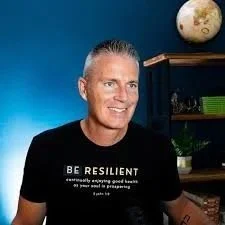
Dr. Pete Sulack’s story is an incredible testimony to resilience, trust, and partnership with God to beat cancer. He was diagnosed with Grade 4 Diffuse Astrocytoma in November 2024. After a resection and 4 months of following his own program, he was cancer-free.
All of the information I’m sharing on this page can be found in Dr. Pete’s protocol and has been reinforced by other doctors and leading physicians as I have researched cancer and best practices. We purchased his Be Resilient Program, but if you are not able to afford it, he has put together a FREE PDF guide for anyone to use as a cancer-healing protocol.
We went with Dr. Pete's premier protocol and have learned most of what we know from him. This protocol provided a nutrition plan and supplements (based on Jon’s biochemistry) to reduce inflammation and support his body's optimal nutrition. It was a six-month program with a personal nutritionist. By far the best thing we did to support his body and healing.
How to connect: Go to his Instagram and in the comments type “PROTOCOL” for next steps, “EMAIL” for weekly tips, or “CONSULT” to connect 1-on-1
I have more information on our Cancer Resource page.
Metabolic Support During Treatment
High-Dose Vitamin C
Immune Support • Cellular Repair • Antioxidant Protection
MN Hydration Website (this is who we use)
Research has shown that increased levels of vitamin C can significantly improve the lives of cancer patients. However, diet and supplements alone cannot provide enough Vitamin C for your body to reap these benefits. The amount of Vitamin C needed to make a substantial impact can only be reached intravenously (IV). Large doses of IV vitamin C have been shown to decrease the amount and size of tumors in animals. In some clinical trials, vitamin C infusions helped patients with symptom management, decreased tumor mass, enhanced resistance, and prolonged survival in terminal patients.
When Patients Commonly Seek Vitamin C Support with Cancer Treatment
Before, during, or after chemotherapy
During radiation
For energy, recovery, and quality-of-life support
During integrative oncology wellness plans
During periods of high inflammation or oxidative stress
This treatment supports
the body’s God-designed ability to repair and restore.
Reducing the burden of treatment so the body can function more effectively
A way to strengthen the body while walking through treatment
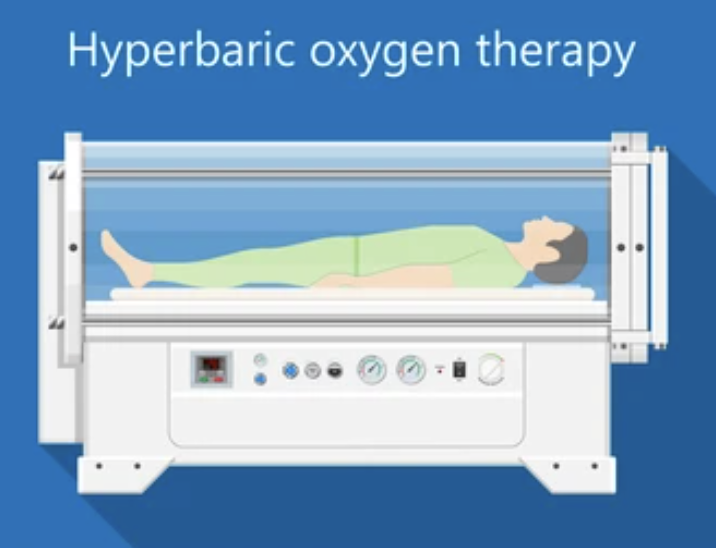
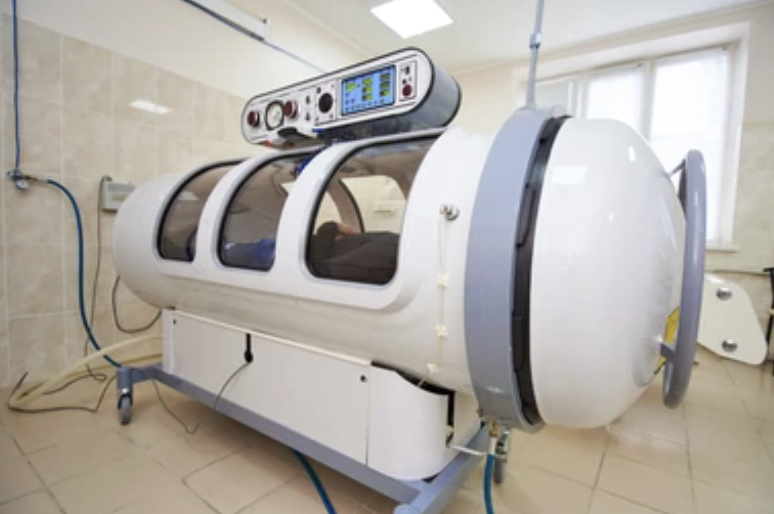
Hyperbaric Oxygen-Based Therapies
(Cited from Utopia Cancer Center)
Every cell in the human body requires oxygen to survive, function, and regenerate. Oxygen is especially crucial during disease, trauma, or injury, when tissues suffer from oxygen deprivation (hypoxia) and struggle to heal properly.
In 1931, Dr. Otto Warburg was awarded the Nobel Prize for proving that cancer cells use a non-oxygen-dependent metabolism to survive. Unlike normal healthy cells that rely on oxygen and glucose to generate ATP (cellular energy), cancer cells function anaerobically, meaning they:
✔ Ferment glucose instead of using oxygen for energy production.
✔ Produce lactic acid, lowering cellular pH and disrupting DNA and RNA control over cell division.
✔ Multiply unchecked, as their abnormal metabolism fuels aggressive growth.
By flooding cancer cells with oxygen, the following occurs:
✔ The Krebs Cycle (mitochondria) is reactivated, restoring normal cell metabolism.
✔ Apoptosis (programmed cell death) is reinitiated, leading to the natural elimination of cancer cells.
✔ The body regains control over abnormal cell growth, reducing tumor progression.
Based on Warburg’s groundbreaking research, oxygen therapy is a critical component of a holistic, integrative cancer treatment program. By increasing cellular oxygenation, you:
✅ Inhibit cancer cell growth and support natural healing.
✅ Improve circulation and immune function to enhance overall health.
✅ Reduce acidity and inflammation, creating an environment where cancer struggles to survive.
LifeWave Patches (Phototherapy Wellness Patches)
Overview
LifeWave Patches are wellness patches that use non‑transdermal phototherapy to stimulate the body’s own processes with reflected light, rather than drugs or supplements. Different patches (such as X39® or X49™) are promoted for goals like energy, recovery, sleep, and stem cell support.
LifeWave patches work through light interaction with the skin (reflecting body heat back as specific wavelengths), which can:
Support healthy stem cell activity and cellular signaling
Promote improved energy, recovery, and stamina
Support sleep quality and overall wellness
Help with tissue repair and inflammation reduction
Enhance general vitality without drugs or stimulants
Stem cells are the body’s natural repair cells that have the potential to help with healing and regeneration

PEMF Therapy (Pulsed Electromagnetic Field)
Website: https://bemergroup.com/en_US/human-line/home
Overview
BEMER therapy is a type of PEMF (Pulsed Electromagnetic Field) therapy that uses low-frequency electromagnetic waves to support the body’s natural processes—particularly microvascular blood flow and circulation.
BEMER stands for: Bio-Electro-Magnetic-Energy-Regulation
BEMER devices deliver a patented electromagnetic signal through mats or applicators placed on the body to support:
Microcirculation (small blood vessels)
Oxygen and nutrient delivery to cells
Removal of metabolic waste
Muscle recovery and performance
Relaxation and overall well-being
The core focus is improving circulation, which is foundational to how the body heals and functions.
How It Works
Uses pulsed electromagnetic fields to stimulate electrical activity in muscle tissue
Helps improve blood flow in the body’s smallest vessels (capillaries)
This may increase:
Oxygen delivery
Nutrient transport
Cellular energy and recovery
Think of it as “Supporting your cells by improving circulation and energy flow.”

Cancer Support Context:
While not a cancer treatment, some people use PEMF therapies like BEMER to support:
Circulation and oxygenation (important for healing environments)
Energy and fatigue management
Recovery during or after treatment
Reduction of inflammation and stress
Overall quality of life support
Key Benefits
Non-invasive and easy to use
FDA Class II cleared device (for circulation support in healthy muscles)
Can be used at home or in some clinics
Focuses on supporting the body—not attacking disease
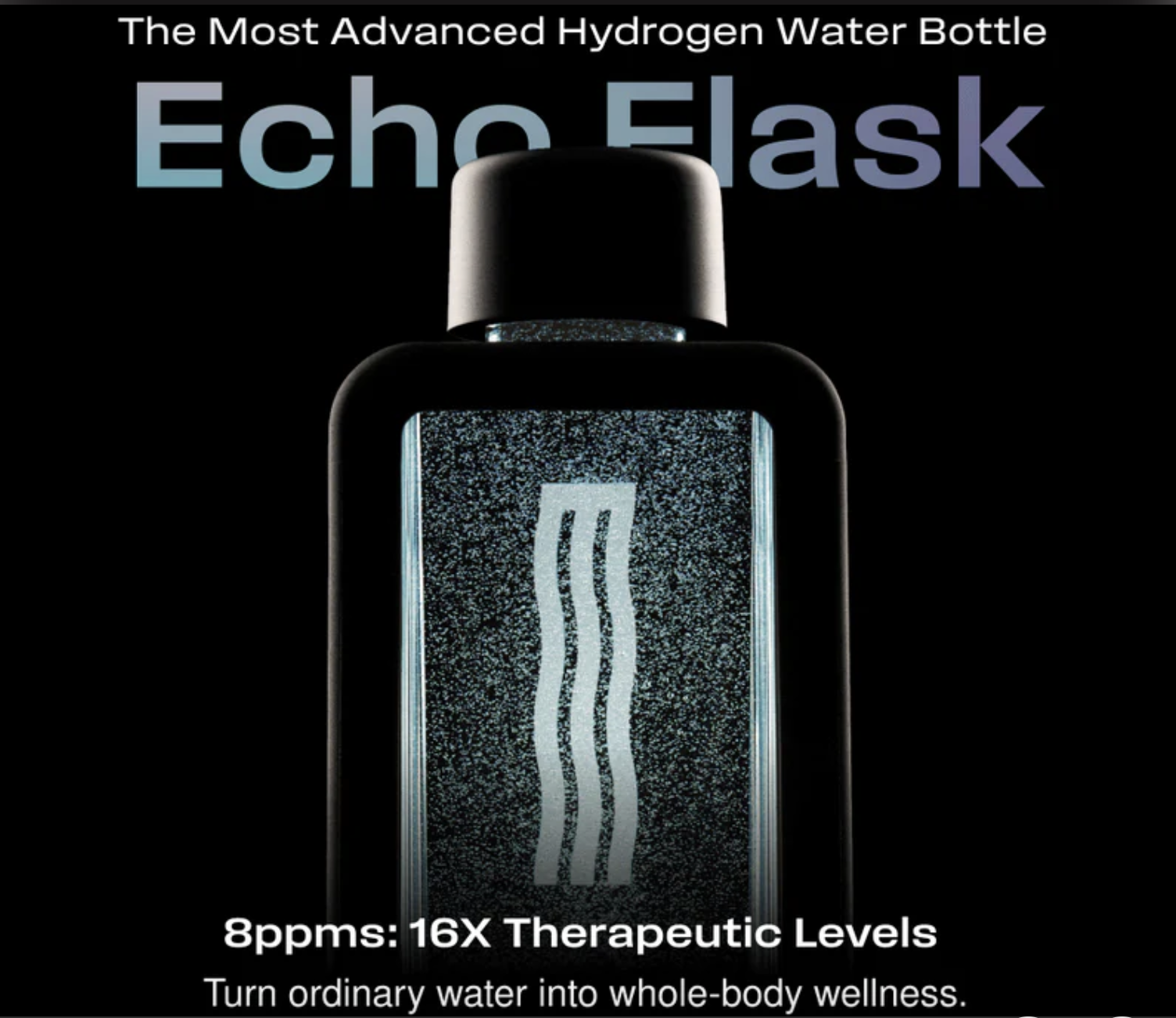
ECHO Flask Hydrogen Water Bottle
The Echo Flask is a hydrogen water bottle that creates molecular hydrogen-rich water using electrolysis technology. The company promotes it as a wellness tool to support cellular health, metabolism, recovery, and oxidative stress balance.
People use hydrogen water during cancer treatment to support:
Hydration and recovery
Energy and fatigue management
Cellular resilience during stress
Overall metabolic health and healing support
Hydrogen-rich water is being explored because molecular hydrogen acts as a selective antioxidant, helping the body manage harmful free radicals without disrupting beneficial cellular signaling.
Fasting, Autophagy & Apoptosis
Fasting During Cancer Treatment
Overview
Fasting is being explored as a way to support the body during cancer treatment, particularly alongside chemotherapy or immunotherapy (not radiation). There are different kinds of fasting approaches: Intermittent fasting, extended fasting, water fasting, juice fasting, and fasting-mimicking diet. They all have their place. I will not go into which one is better or give counsel here. I can share that Jon practices intermittent fasting (16:8), once a week, does a 24-hour fast (dinner to dinner) to stay in ketosis and support his metabolic health, and before chemo, we did a 72-hour fast to fully reset his immune system. There are many benefits to the body of entering autophagy and apoptosis (see below).
Potential Benefits Being Studied
Protect healthy cells during treatment
Make cancer cells more vulnerable to therapy
Supports metabolic and immune function
Your immune system is generally considered strongest in terms of regeneration and “resetting” after 48 to 72 hours of fasting. During this window, the body kills old, damaged immune cells and triggers stem cell-based regeneration of new ones.
Immune System Fasting Timeline & Benefits
16-24 Hours (Intermittent Fasting): The body begins to shift toward burning fat and reducing inflammation.
24-48 Hours: White blood cells leave the bloodstream and migrate to the bone marrow for regeneration.
48-72 Hours (Prolonged Fasting): This is considered the optimal window for an immune system “reset,” during which autophagy (cellular cleanup) and the regeneration of new immune cells occur.
Important Considerations
Fasting is not appropriate for everyone, especially:
Patients experiencing weight loss or weakness
Those with advanced disease or nutritional challenges
Always consult with:
Your oncologist
A qualified integrative or functional medicine practitioner

Where do I start? Start here….
For beginners, you can access Dr. Mindy’s free guide for a practical, step-by-step introduction to mastering intermittent fasting.
Dr. Mindy Pelz is a Doctor of Chiropractic (DC) and a prominent functional health/holistic health expert specializing in fasting, nutrition, and hormonal health. She is not a medical doctor (MD). Pelz focuses on empowering individuals through lifestyle changes, often targeting women's hormone balance through fasting and detoxification.
What is Autophagy?
Overview
Autophagy is a natural cellular process in which the body cleans out damaged cells and recycles their components, helping maintain cellular health and function.
What It Means
Helps remove damaged or dysfunctional cells
Supports cellular repair and regeneration
Associated with:
Longevity
Reduced inflammation
Lower risk of some chronic diseases
In the cancer context:
Autophagy may help the body clear compromised cells, but its role in cancer is complex and still being studied
What is Apoptosis?
Overview
Apoptosis is known as programmed cell death—a process in which the body safely eliminates old, damaged, or abnormal cells, including cancerous ones.
Why It Matters
Prevents the buildup of damaged or mutated cells
Plays a key role in cancer prevention and control
Supports overall cellular balance and health
Additional Insights
Some natural compounds and therapies are being studied for their ability to support apoptosis pathways
This is an active area of research, especially in integrative oncology
Email me for more information on:
High dose, vitamin C
Fasting
Hyperbaric Chamber
LifeWave Patches
PEMF: BEMER